Planning an interior commercial painting project is more involved than most business owners think. An interior commercial painting project can disrupt your employees, your daily work, and your indoor air if it isn’t planned with care. The air quality risks from interior commercial painting are worth knowing about before the work begins, not after the job is done.
Key Takeaways:
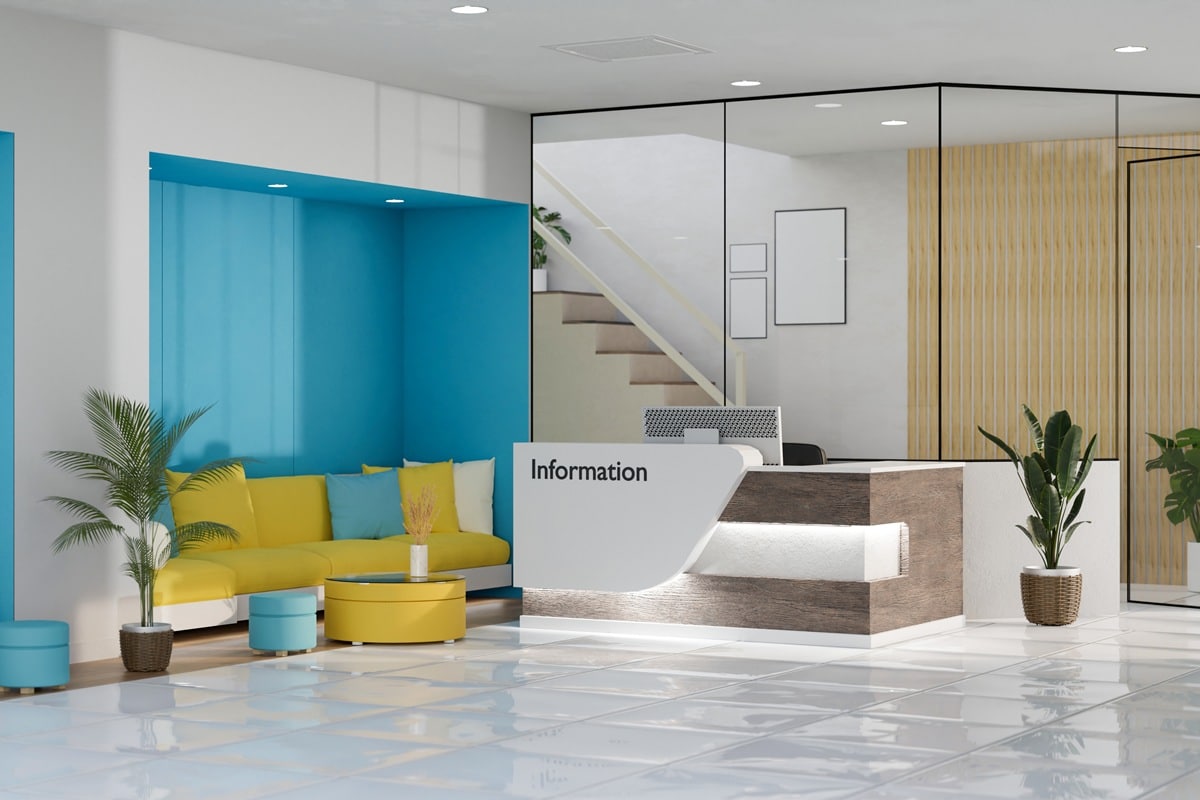
You Run a Business. Your Employees Work Inside It.
You’ve decided it’s time to repaint your commercial space. That’s a practical call. A fresh coat of paint can change the feel of a workspace. It can also matter to clients who visit your location.
But your team is already inside that building every day. They have schedules, tasks, and their own health to think about. When a painting crew arrives and starts rolling on standard paint, the air in that building changes. In some cases, it changes a lot.
That’s not a reason to skip the project. It’s a reason to plan the interior commercial painting project with air quality in mind from the start. Business owners who plan for this ahead of time avoid a lot of problems once the work is underway. A little preparation now saves a lot of phone calls later.
What Are the Air Quality Risks from Interior Commercial Painting?
The main concern is VOCs, or volatile organic compounds. These are chemicals that leave wet paint and move into the air as it dries. According to the U.S. Environmental Protection Agency, indoor VOC levels can be two to five times higher than outdoor levels on a normal day. During active painting, those levels can climb up to a thousand times higher. (Source: EPA Indoor Air Quality)
Short-term exposure to high VOC levels can cause headaches, nausea, eye irritation, and dizziness. For employees with asthma or chemical sensitivities, the effects can be worse. In an occupied building, this can mean missed work and complaints from staff. Those are real costs to your business.
To know the full air quality risks from interior commercial painting, you need to know what’s in the paint. Not all paints carry the same level of risk.
Paint Products Are Not All the Same
VOC content in paint is measured in grams per liter, or g/L. Standard interior paints typically contain between 150 and 400 g/L. Low-VOC paints usually come in at under 50 g/L. Zero-VOC paints are typically below 5 g/L.
That range matters. A contractor who picks products with lower VOC ratings cuts the air quality risks from interior commercial painting right from the start. This is a product choice, not a special add-on. It’s worth asking about before you sign anything.
Oil-based paints carry higher VOC levels than water-based or latex products. If your project includes trim work, cabinetry, or specialty surfaces, ask which products will be used in those areas. Do not assume low-VOC products are being used across the board unless you have it confirmed in writing. This one question can change the whole scope of the air quality conversation.
Why Air Quality Gets Overlooked Before a Painting Project
Most business owners look at a painting quote and focus on price, timeline, and color. Air quality rarely comes up. Most people aren’t thinking about VOC levels when they want to refresh an office space. That’s normal.
But once a painting crew starts in an occupied building, there’s no easy pause. The fumes are there. The HVAC system may push them through the building. Employees start to notice. That’s when most business owners wish they’d asked about the air quality risks from interior commercial painting before the project started.
There are also legal factors worth knowing. OSHA’s General Duty Clause requires employers to provide a workplace free from known hazards. If employees report symptoms during an active painting project, that can lead to legal questions you want to be prepared for.
None of this makes a painting project harder. It makes it more manageable, as long as you plan for it ahead of time. The business owners who ask these questions early are the ones who don’t have to scramble mid-project.
How to Reduce Air Quality Risks from Interior Commercial Painting
There are clear steps a painting contractor can take to lower the air quality risks from interior commercial painting before, during, and after the job.
Before the job starts:
During the job:
After the job:
These steps do not add weeks to a project. They add planning. And planning is what separates a smooth interior commercial painting project from a messy one.
Questions to Ask Before Your Interior Commercial Painting Project Begins
If you’re comparing painting contractors for an interior commercial job, these questions will tell you a lot about how they work.
A contractor who gives clear answers to these questions has done this kind of work before and knows what to expect. A contractor who seems unsure or dismissive may not be the right fit for your interior commercial painting project.
Let’s Talk About Your Project Before Work Begins
The air quality risks from interior commercial painting do not have to take you by surprise. All American Trade Work has experience planning and completing interior commercial painting projects in occupied and active commercial spaces. We use low-VOC and zero-VOC products. We work around your schedule. And we walk you through every step so you know what to expect before the first can is opened.
If you’re getting ready for an interior commercial painting project at your office, retail space, or commercial facility, call All American Trade Work today at 541-697-3141. You’ll get straight answers and a clear plan. Your space gets a fresh look, and your team stays safe. The sooner you reach out, the sooner we can put a plan together that works for your business. Call now to get started.