A fresh coat of paint can make a tired storefront feel new again. But for a shop that stays open during the work, the wrong approach to hiring commercial interior painters can turn a simple refresh into lost sales and irritated customers. That is the real risk behind interior painting for businesses. The painting itself is straightforward. The disruption it can cause is what hits your bottom line. Retail stores, offices, and restaurants all run on routine, and a repaint done at the wrong time or by the wrong crew can break that routine fast.
Here is the better news. A repaint does not have to cost you a single quiet day or a single customer. With a clear plan and a steady crew, your space gets refreshed while business keeps moving. This article walks through what tends to go wrong during a commercial repaint, why it happens, and how to keep a project on track from the first quote to the last wall.
Key Takeaways:
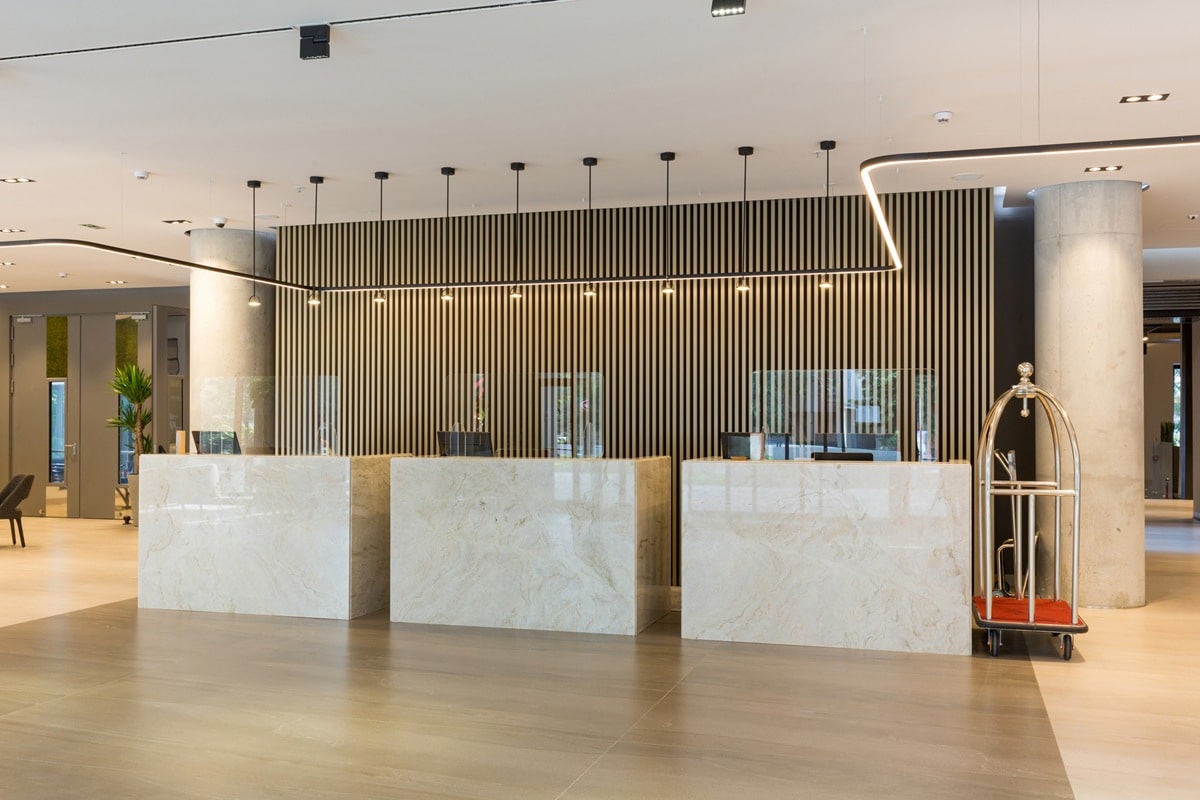
The Real Cost of a Repaint Is Not the Paint
When a business owner asks for a quote, the first number they look at is the price of the job. That number matters. But it is not the only cost in play. A repaint that shuts down a dining room on a Friday night or blocks a store aisle during a weekend rush can cost far more than the paint and labor combined.
Think about what a single lost day means for a busy café or a boutique. Foot traffic stops. Regulars walk past and go somewhere else. Staff stand around with nothing to do while you still cover their hours. None of that shows up on the painter’s invoice, yet it lands squarely on your books.
So the smarter question for interior painting for businesses is not only “What does this cost to paint?” It is “What does this cost my business while it gets painted?” Crews that work with companies every day know how to answer that second question. Crews that mostly paint houses often do not.
What Actually Throws a Business Off Track
The painting part of a repaint is rarely the issue. The problems show up around the edges. Here are the patterns that come up most often when interior painting for businesses goes sideways.
Poor scheduling tops the list. Commercial interior painters who work during open hours, with no plan for foot traffic, force customers to step around ladders and drop cloths. Work that should happen overnight gets pushed into the lunch rush instead.
Weak communication runs a close second. When nobody tells your staff which rooms are off limits on which days, the workday turns into a guessing game. A quick shared schedule fixes this before it starts.
Then there is mess and odor. Dust on product displays, paint fumes near a kitchen, and tape left on trim all send a quiet message to customers that something is off. A crew that protects surfaces and plans for ventilation keeps that message from ever reaching your guests.
Last comes the redo. Rushed or unskilled work means peeling edges and uneven walls within months. Now you are paying twice and closing twice. The cheapest bid often turns into the most expensive job.
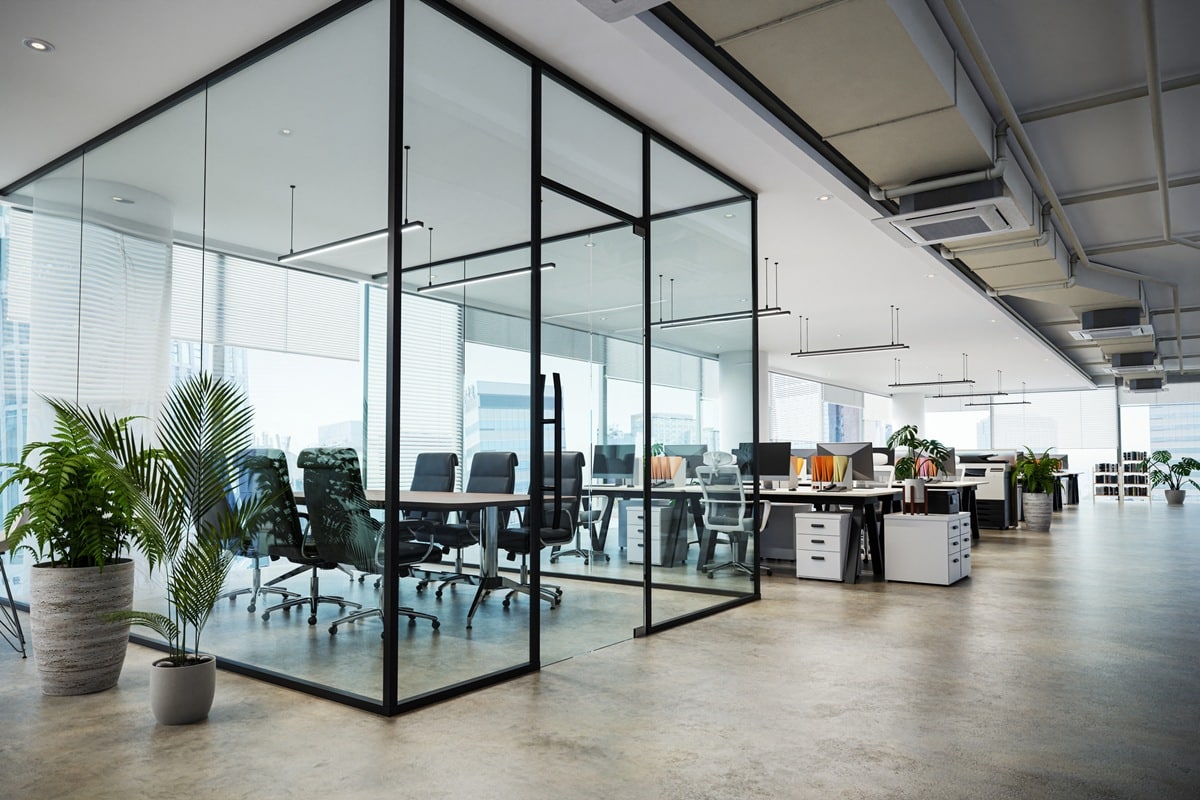
Why Odor and Air Quality Deserve a Plan
Paint smell is more than an annoyance for a working space. It can push customers and staff out the door. According to the U.S. Environmental Protection Agency, the chemical vapors that paints release, known as volatile organic compounds, can sit in indoor air at levels up to ten times higher than outdoors. Those vapors can linger for hours after the work stops.
For a restaurant, that is a problem near food. For an office, it can mean headaches and a distracted team. The fix is not complicated, but it has to be planned. Low-odor and low-VOC products, good airflow, and smart timing all keep the air clear enough to stay open. A crew that brings this up before you ask is a crew that has done this in working spaces before.
How to Vet Commercial Interior Painters Before You Sign
A painter’s portfolio tells you what their work looks like. It does not tell you how they will treat your business while the job is underway. That part takes a few direct questions and a little homework.
Start with the basics. Ask for proof of a license and current liability insurance. A crew working inside your business should carry coverage that protects you if something goes wrong. If a contractor hesitates to share this, treat it as your answer.
Next, ask about standards. The Painting Contractors Association, a nonprofit founded in 1884, publishes industry standards that spell out how quality work should be measured and what a finished project should look like. Crews that follow these standards give you a clear yardstick instead of vague promises. That protects you from disputes later.
Then ask about process. How do they handle scheduling around your hours? Who is your point of contact each day? How do they protect floors, fixtures, and stock? The answers reveal whether a crew has worked around live operations or only in empty rooms.
A Simple Plan for Interior Painting for Businesses
Once you find the right crew, a smooth repaint follows a few clear steps. None of them are complicated, but skipping any one of them is where projects get messy.
First, walk the space together and map out a schedule built around your busiest hours. A good plan paints the dining room after close or tackles the sales floor in sections so the doors stay open.
Second, set a daily check-in. A two-minute conversation each morning keeps your team and the crew on the same page about which areas are active.
Third, agree on protection up front. Floors covered, displays wrapped, and a clear cleanup routine at the end of each shift keep your space presentable for customers the whole way through.
Fourth, confirm the products. Low-odor coatings and proper airflow let you keep serving people while walls dry behind the scenes.
A crew that handles interior painting for businesses this way treats your operation as the priority, not an afterthought. That is the difference between a project you barely notice and one you remember for all the wrong reasons.
What a Smooth Repaint Looks Like
Picture the other version of this story. The work happens after hours or in quiet sections. Your staff knows the plan before they clock in. Customers walk in to clean, dust-free space and never smell a thing. The walls look sharp, the timeline holds, and your doors never close.
That outcome is not luck. It comes from a crew that plans around your business, communicates every day, and holds itself to real standards. When commercial interior painters work this way, a repaint becomes a quiet upgrade instead of a costly interruption.
Refresh Your Space Without Closing Your Doors
A repaint should make your business look better, not cost you the days that pay the bills. All American Trade Work serves retail shops, offices, and restaurants across Eagle Point, OR, with a process built to keep you open while the work gets done. That means schedules shaped around your hours, daily communication with your team, careful protection for your floors and fixtures, and low-odor products that respect your customers and staff.
If a refreshed space and an uninterrupted week both sound good, let’s map out a plan for your business. Call All American Trade Work at 541-697-3141 for a walk-through and a clear, written quote. You will know exactly what to expect, when it will happen, and how your doors stay open the whole time.